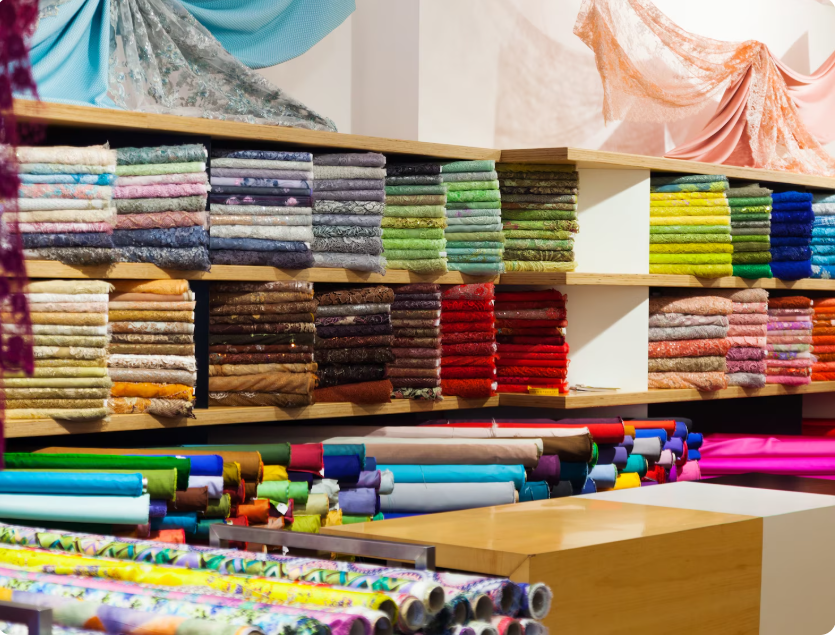
Introduction: More Than Just Cloth
Fabrics and textiles are far more than the materials that clothe us—they are a reflection of human history, culture, technology, and creativity. From the simple handwoven cloth of ancient civilizations to high-tech fabrics used in modern fashion and industry, textiles have played a vital role in shaping our world. Understanding fabrics is not just about knowing threads and patterns; it is about appreciating the art and science behind them.
The Origins of Textiles
The story of textiles begins thousands of years ago. Early humans discovered that fibers from plants, animals, and minerals could be spun into threads and woven into cloth. Natural fibers like cotton, flax, wool, and silk became the foundation of early textile production. Each fiber had unique properties: cotton was soft and breathable, wool provided warmth, and silk offered a luxurious shine. These materials were not only practical but also held cultural significance. For example, silk was a symbol of wealth and status in ancient China, while wool played an essential role in European societies.
Weaving and Early Craftsmanship
The art of weaving—interlacing threads to create fabric—developed alongside these early fibers. Ancient civilizations, including the Egyptians, Greeks, and Romans, created intricate patterns and designs in their textiles, often using dyes derived from natural sources such as plants, insects, and minerals. These early techniques laid the foundation for the textile industry, combining craftsmanship with aesthetics. Over time, methods like embroidery, printing, and knitting added further dimension to fabrics, transforming them from mere coverings into expressions of style and identity.
The Industrial Revolution and Textile Innovation
As societies evolved, so did textile technology. The Industrial Revolution marked a turning point in the history of fabrics. Mechanized looms and spinning machines dramatically increased production, making textiles more accessible and affordable. Factories could produce large quantities of cotton, wool, and other materials at unprecedented speeds. This industrial advancement not only revolutionized the economy but also influenced fashion, enabling trends to spread quickly and widely.
Modern Fabrics: Science Meets Style
In modern times, textiles have continued to evolve, blending traditional craftsmanship with cutting-edge technology. Synthetic fibers such as polyester, nylon, and spandex have introduced new possibilities in clothing and industrial applications. These fibers are lightweight, durable, and versatile, allowing designers to create fabrics that stretch, resist wrinkles, or repel water. Technical textiles—used in sportswear, medical devices, and even space exploration—highlight the scientific side of fabrics, where chemistry, engineering, and material science converge.
Cultural and Artistic Significance
Beyond utility and innovation, fabrics hold immense cultural and artistic value. Traditional textiles often tell stories about a community’s heritage, beliefs, and environment. For instance, African kente cloth, Indian ikat, and Japanese kimono fabrics are more than decorative materials—they are symbols of identity and tradition. Textile artists today continue this legacy, blending cultural motifs with contemporary design to produce works that are visually stunning and socially meaningful.
Sustainability in Textiles
Understanding fabrics also means appreciating the environmental and ethical dimensions of textile production. Natural fibers like organic cotton and bamboo are sustainable alternatives to conventional materials, while innovations in recycling and eco-friendly dyeing processes aim to reduce the environmental impact of clothing. As awareness of fast fashion’s effects grows, the study of fabrics includes a responsibility toward sustainability, ensuring that the art and science of textiles contribute positively to the world.
Conclusion: The Timeless Thread
Fabrics and textiles are a fascinating blend of art, science, history, and culture. They reflect human ingenuity and creativity, serving practical needs while expressing identity and innovation. From the handwoven cloth of ancient civilizations to the high-tech textiles of today, the evolution of fabrics tells a story of progress, adaptation, and imagination. By exploring textiles through time, we gain a deeper appreciation for the threads that connect us—literally and figuratively—to the past, present, and future.
About the Author